Luang Prabang, Laos: The mysterious Pak Ou Caves and reasons to visit
Luang Prabang in Laos is the town where time moves differently.
There are countries that rarely make headlines and those tend to have the most to say. Laos is one of them. Many people confuse it with Vietnam, but the difference is obvious the moment you step outside. Nobody tries to sell you something on every corner. Nobody honks at you. Nobody shouts offers from every doorway.
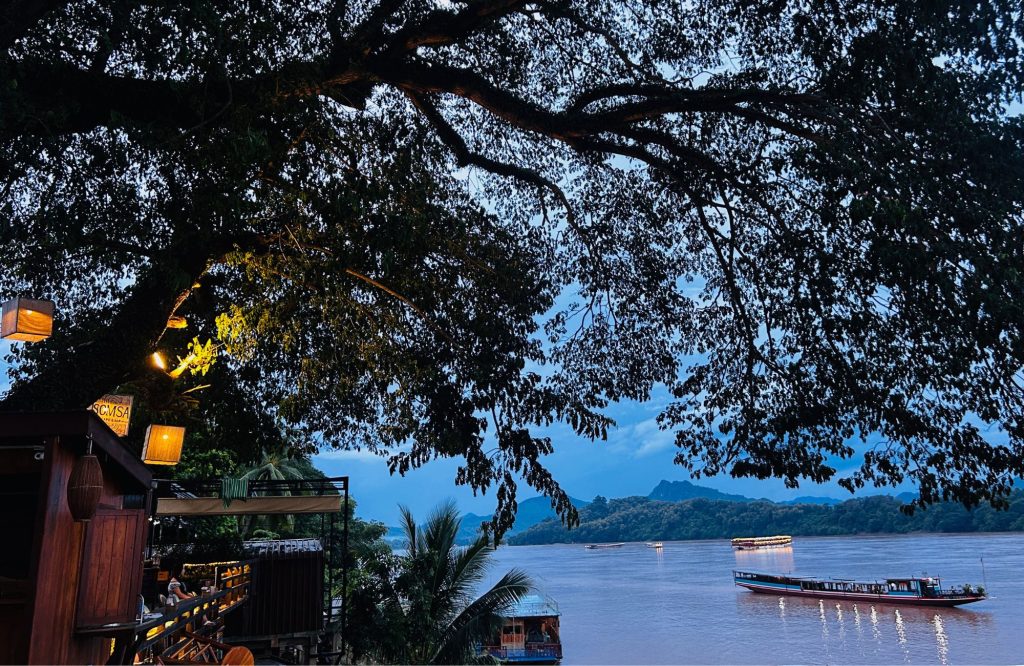
And at the very heart of this peaceful corner of the world lies Luang Prabang, the former royal capital, where French colonial elegance meets centuries of Buddhist spirituality. A town cradled by two rivers, the Mekong and the Nam Khan, where golden temple rooftops emerge through the morning mist and the air still carries the scent of incense.
Luang Prabang, a town that has kept its soul
Luang Prabang existed as a spiritual center long before Fa Ngum declared it the heart of the Kingdom of Lan Xang in the 14th century. Local tribes believed the region was protected by powerful spirits of the river and the mountains and that belief, it seems, never entirely disappeared.
The town survived invasions, colonization, and war, yet kept its religious traditions intact. The French colonial era added a layer of elegant villas and tree-lined avenues, creating a unique blend of Buddhist serenity and colonial charm recognized by UNESCO as a World Heritage Site in 1995.
Today, Luang Prabang is a slow, peaceful town where life still follows the rhythm of the temples. Monks walk quietly through the streets at dawn collecting alms, while markets fill with fresh herbs, woven textiles, and the smell of grilled river fish. No skyscrapers, no loud nightlife, just calm rivers, wooden houses, and golden rooftops.
What you can experience here
Luang Prabang is one of the most visited destinations in Laos, yet it has managed to hold onto its authenticity. Tourism is growing, but carefully, the UNESCO designation keeps the town quiet, clean, and culturally preserved.
Visitors can experience:
- nature here is incredible: from amazing waterfalls and jungle treks to relaxing by the Mekong River and simply slowing down in nature
- living history at every step, from temples and caves to the diverse architecture found everywhere
- meditations with monks
- traditional weaving workshops
- sunset boat rides on the Mekong
- jungle treks to minority villages
- cooking classes with local families
- bamboo bridge crossings that exist only in the dry season
How to get here, what to prepare for, and more travel tips for adventurous and solo travelers can be found in my e-book.
The Pak Ou Caves: where time stands still
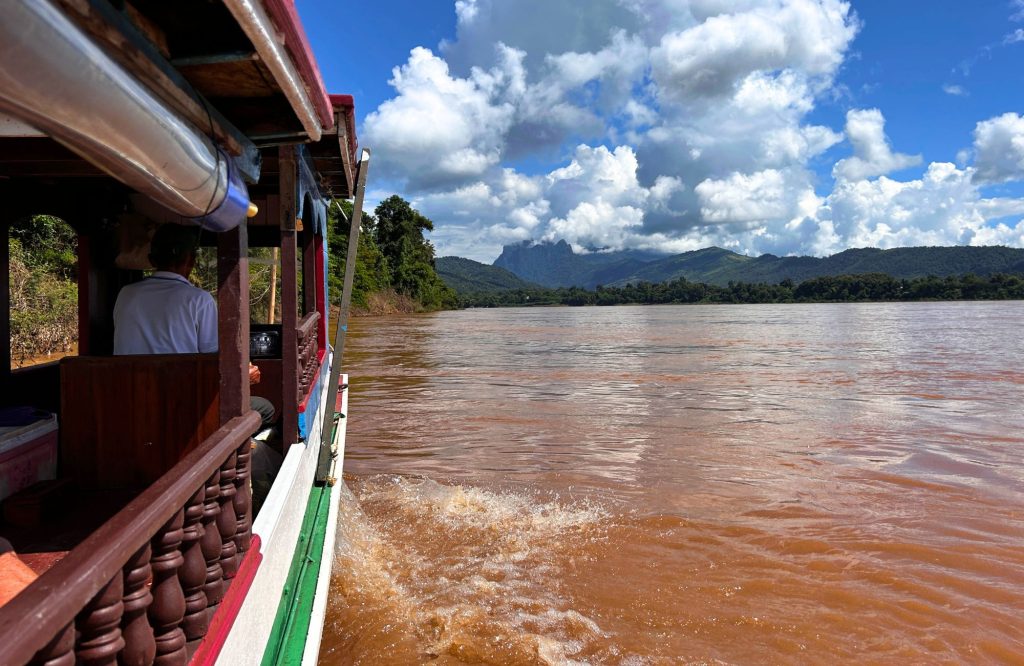
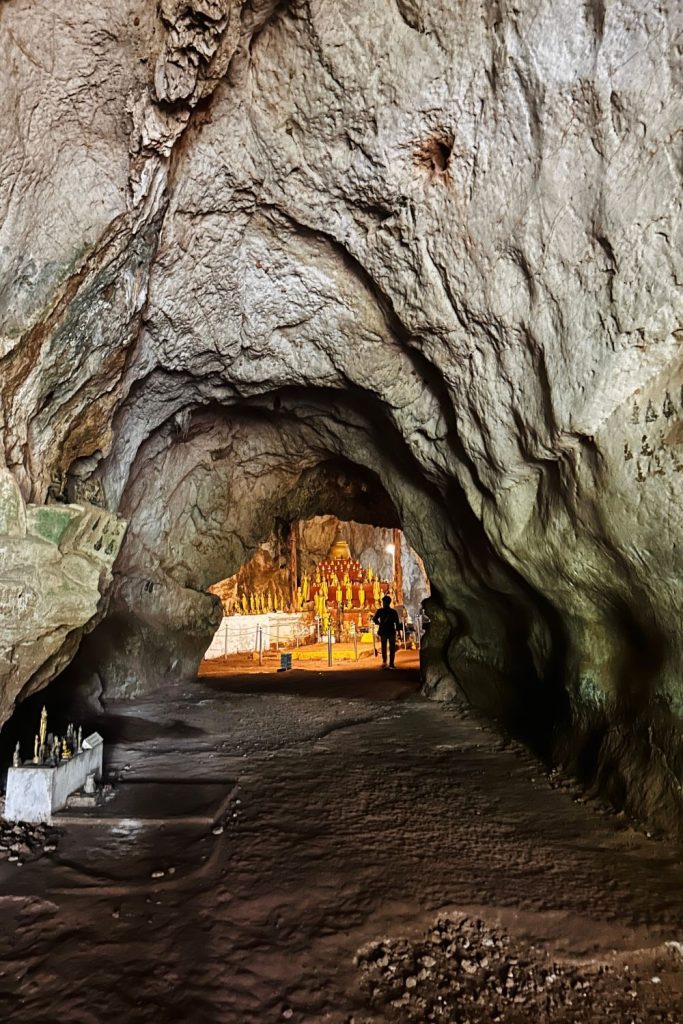
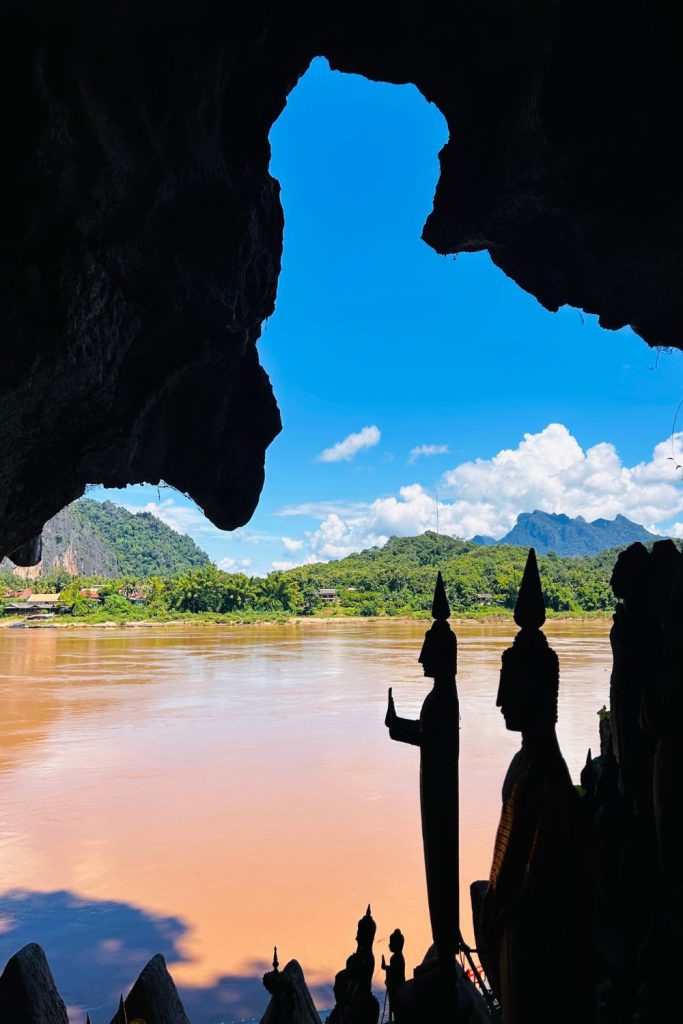
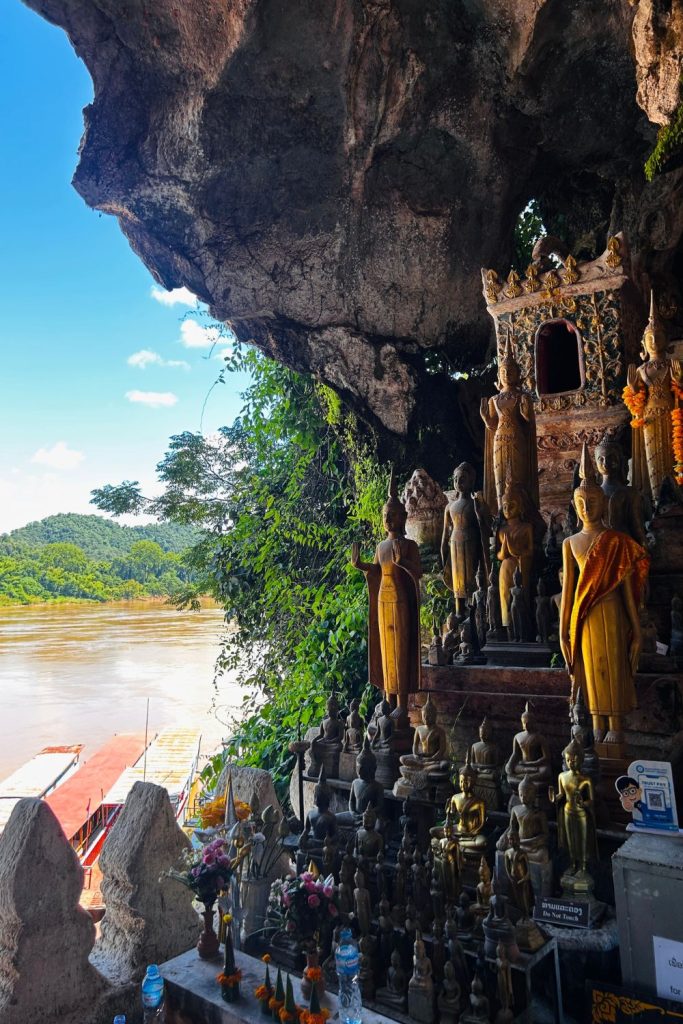
About two hours upstream from Luang Prabang by boat along the Mekong, the Pak Ou caves wait in the face of a limestone cliff. It sounds like a straightforward excursion, but it is not. When the boat stops and you step ashore, you can feel there’s something special about this place.
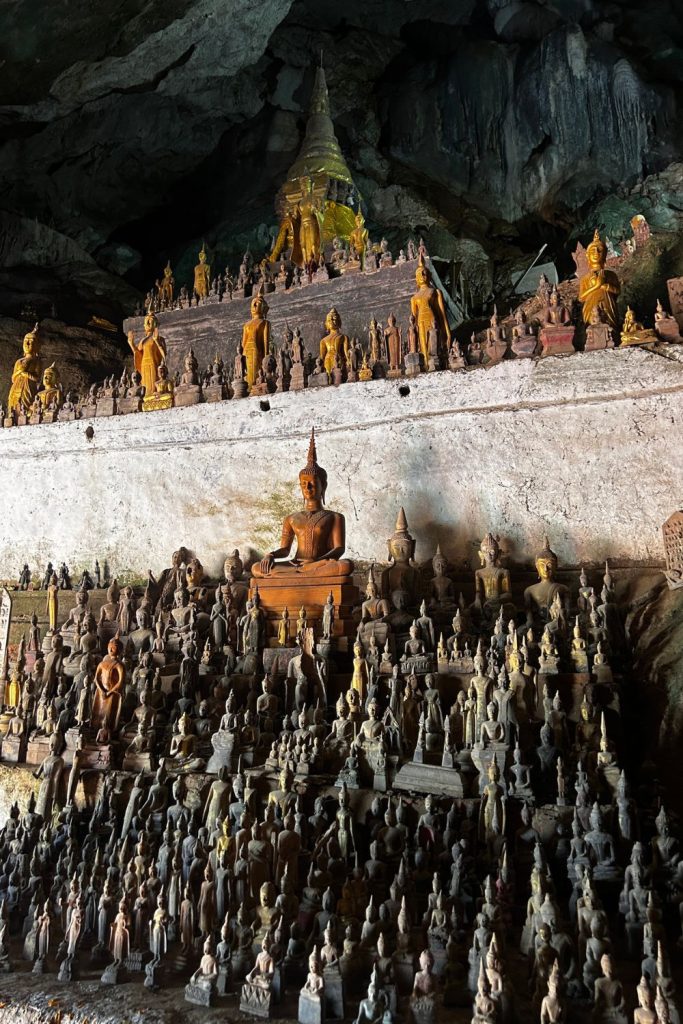
Inside, you are met by a sight that is difficult to describe: over four thousand Buddhist statues of every size, age, and style, arranged in dark alcoves carved into the rock. Some are centuries old. Some were carried here by pilgrims from across Laos. None are ever removed, because locals believe that even a damaged statue retains its sanctity. Rather than taking one away, they simply bring a new one.
The caves have been a site of reverence and pilgrimage for centuries. Each year during the Lao New Year celebrations of Pi Mai, locals arrive with offerings and prayers. Some monks say that during deep meditation here, one can see the „light of the ancestors“, a fleeting flash that signals the presence of spirits.
The feeling inside these caves is hard to explain
Many visitors describe a similar experience in Pak Ou, a cool breeze in the upper cave, a sense that they are not alone, that something is watching. Not frightening, more like a gentle presence of something invisible waiting in the silence.
Some report a light dizziness, others an unexpected sense of calm and lightness. The caves have absorbed centuries of prayer, incense, and offerings, and if you arrive with an open mind, you may feel some of that energy too.
My own experience was honestly very unique too, but I wouldn’t describe it the same way as these visitors. When you visit temples in Thailand, for example, in many of them you don’t really feel anything. You are there with many other tourists, just taking photos of the place. There’s no atmosphere you would expect in a temple or a church. But this place definitely has it.
I’m not talking about anything like ghosts from a movie, but rather a feeling you can sometimes experience in very rare places. It’s more about peace, connection, and the feeling that this place was truly meant to be used for spiritual practices.
Until recently, electric light was forbidden in the upper cave, to protect the spirits said to dwell in the darkness. A faint light has since been installed, but the atmosphere has not changed.
The surroundings that match the magic
The region around Luang Prabang offers more places worth seeking out. The Kuang Si Waterfalls, where the water glows turquoise like liquid glass, the colour produced by the high concentration of limestone minerals. Or Mount Phou Si, from which the entire Mekong valley unfolds before you at sunset.
The Mekong itself changes colour with the seasons, chocolate brown during the rains, emerald green in the dry months. Bamboo bridges appear only in the dry season and are washed away by the monsoon each year, only to be rebuilt. And the region is home to one of the last wild populations of Irrawaddy dolphins on earth, though they are now extremely rare.
Things you probably did not know
- The name „Luang Prabang“ comes from a sacred Buddha statue given to Laos by the Khmer Empire.
- The town has over 30 active temples — more than almost any other small capital in Southeast Asia.
- The morning alms ceremony has been practiced here for over 600 years.
- Locals believe the Mekong carries messages from the ancestors.
- Lao-Lao whiskey is often infused with whole animals — it is believed this traps their spirit and transfers their strength to whoever drinks it.
- The Pak Ou caves hold over 4,000 Buddhist statues, many of them centuries old.
- Damaged statues are never removed. Locals believe they retain their sanctity, so a new one is simply brought alongside.
- The bamboo bridges around the town must be rebuilt every year after the monsoon washes them away.
You can find more interesting destinations, travel tips, and up-to-date information on my Instagram.
Pridaj komentár